Export Packaging for Plastic Parts: What Buyers Should Specify Early
Carton marks, pallet configuration, retail-ready packaging, and private label requirements are cheaper to plan before mass production than to fix at shipment.
Packaging feels like a detail until it causes a customs hold, a damaged shipment, or a retail rejection. Specifying packaging early, before mass production begins, is one of the cheapest ways to avoid expensive problems at the port.
Carton marks and labeling
Define carton marks explicitly: product name, part number, quantity, gross and net weight, country of origin, and any customer-specific barcodes. Multilingual marks help when goods transit through multiple countries. Missing or incorrect country-of-origin marks are a common reason for customs delays.
Pallet configuration and container loading
Specify pallet size, cartons per pallet layer, and total pallets per container. Standard export pallets (1200x1000mm) maximize 20ft and 40ft container usage. If your destination requires ISPM-15 heat-treated pallets, state it up front, because retrofitting treated pallets late in the program adds cost and delay.
Retail-ready and private label packaging
If parts ship to retail or require private label, share the artwork, blister card format, or polybag design before production. Retail packaging often requires barcodes, compliance marks, and language-specific inserts that take time to proof and approve.
The cost of late packaging decisions
Changing packaging after mass production means new tooling for blister cards, reprinted cartons, and possible relabeling labor. The buyers who keep packaging on schedule are the ones who treat it as part of the RFQ, not a follow-up task.
Related Posts

Which Certifications Matter When Sourcing Plastic Parts for Export
A practical breakdown of ISO 9001, IATF 16949, CE, RoHS, and REACH, what each one actually verifies, and when buyers should ask for it.

Understanding Lead Times for Custom Mold and Plastic Part Programs
Why export tooling and production lead times vary, what influences them, and how to plan your timeline around sampling, qualification, and mass production.
Client-Overridden Kickoff Package Guide
A markdown-level override that replaces both frontmatter and body for the default demo client.
Keep the buyer moving through the right pages
A good export template should connect products, proof, and buyer-facing resources so the next click always has commercial value.
Related products
2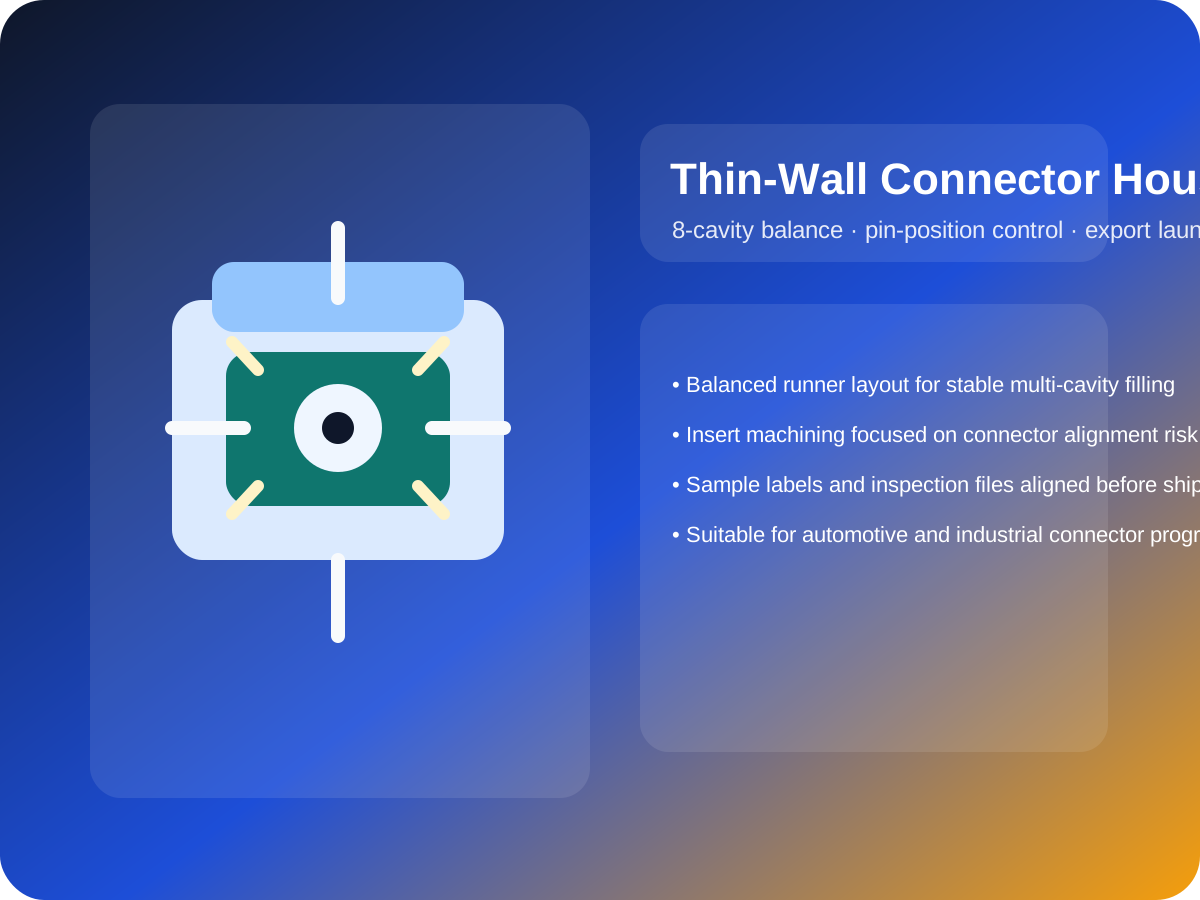
Thin-Wall Connector Housing Mold
High-cavitation export mold for connector housings with stable pin-position control, balanced filling, and repeatable production output.
This page already points to it as the next recommended reference.
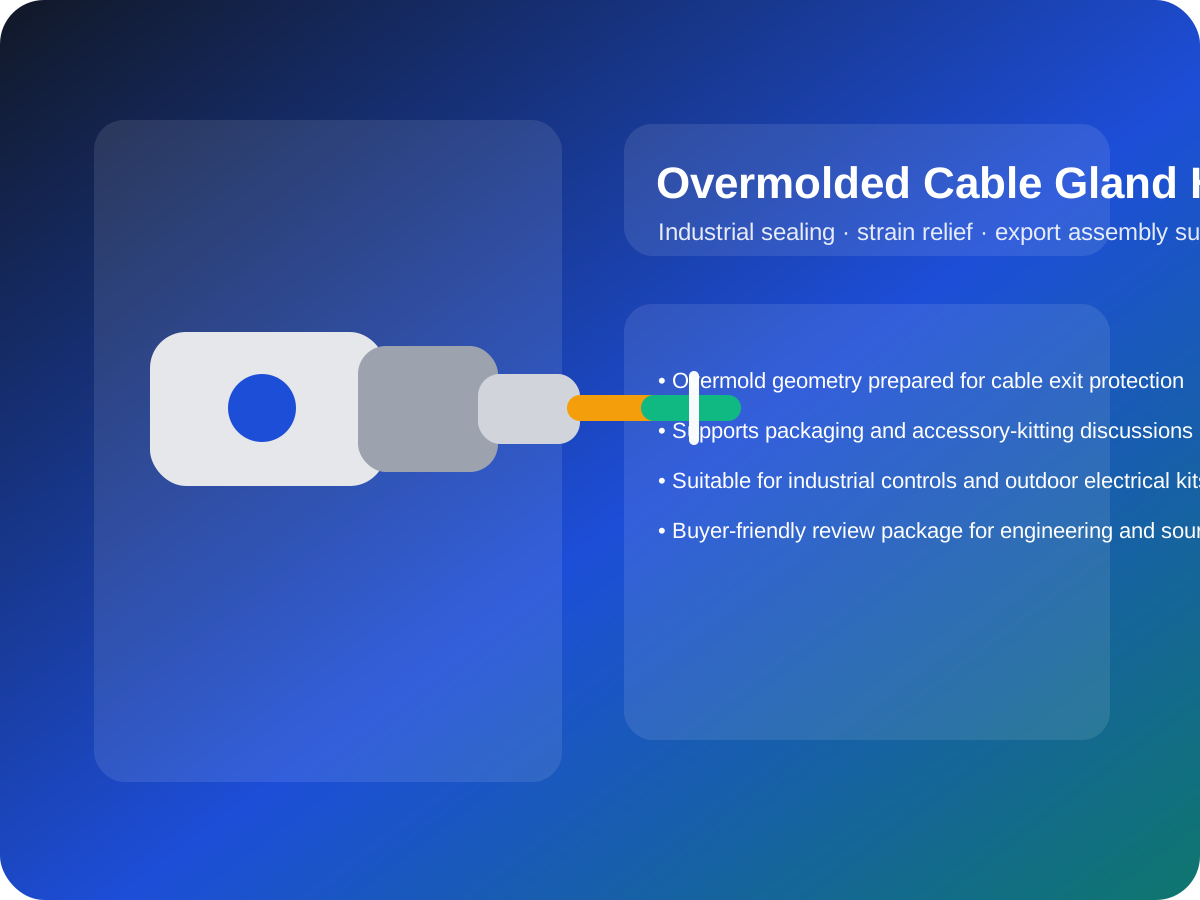
Overmolded Cable Gland Housing
Export-ready overmolded housing program for cable gland assemblies with sealing support, strain-relief geometry, and packaging coordination.
This page already points to it as the next recommended reference.
Useful resources
1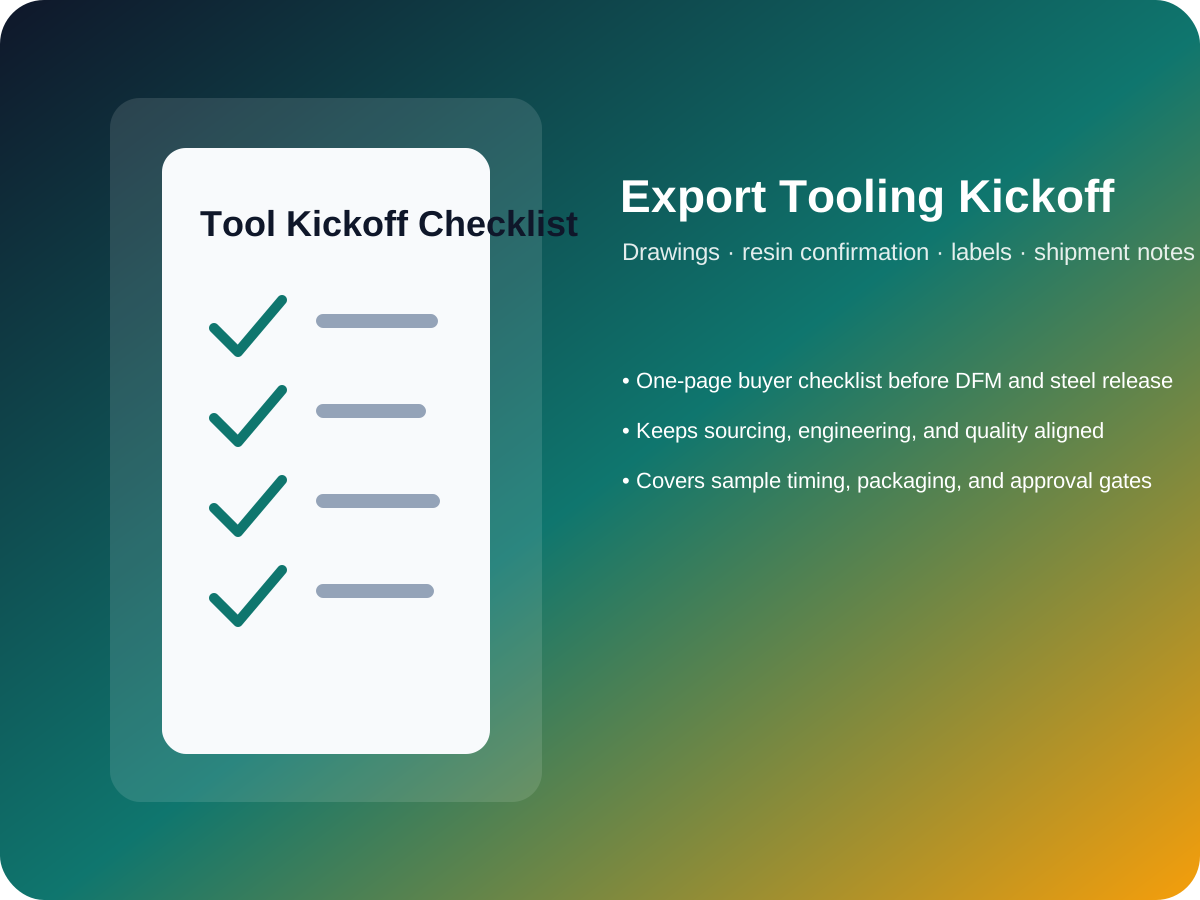
Tool Kickoff Checklist for Export Programs
Buyer-side checklist covering drawings, resin confirmation, sample planning, and shipping notes before tooling release.
It supports the same product context: Thin-Wall Connector Housing Mold.
Related solutions
1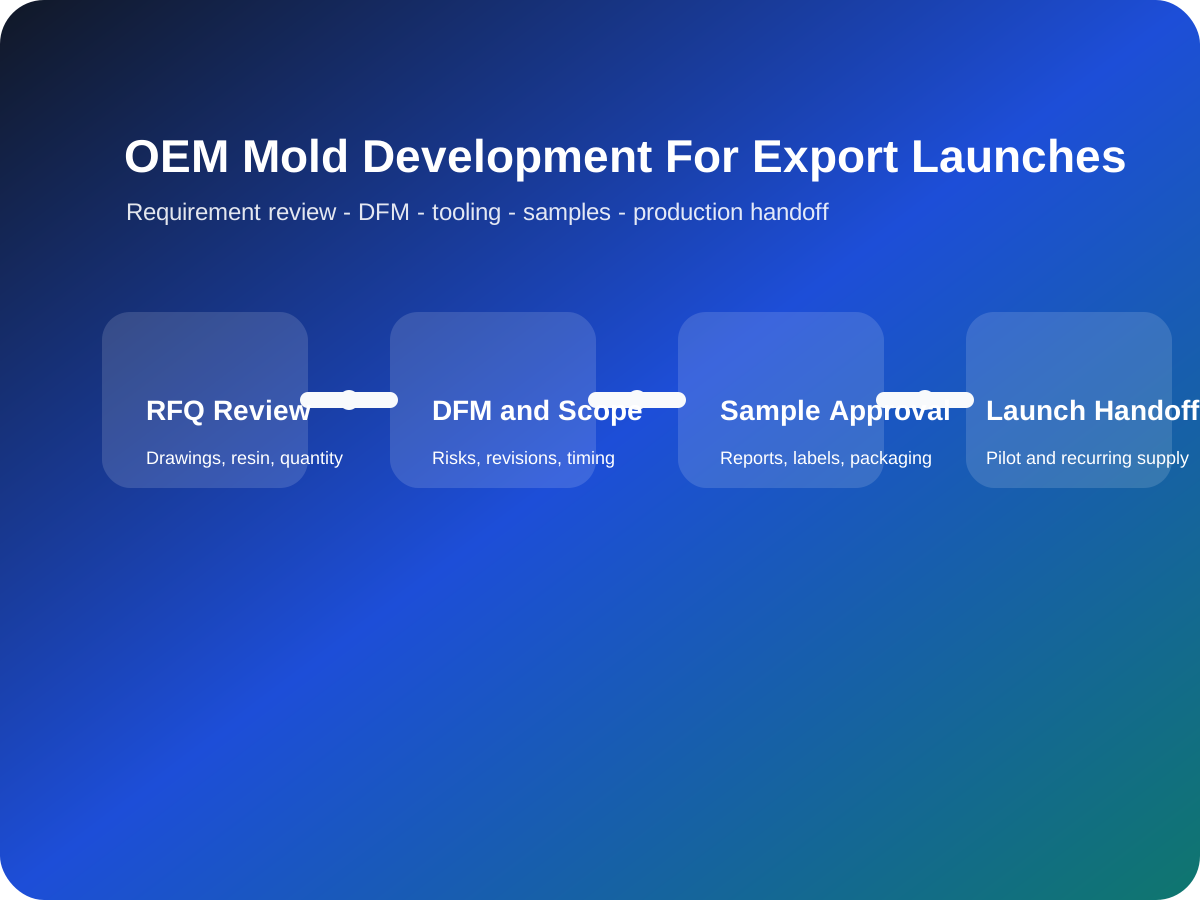
OEM Mold Development for Export Launches
How Northstar moves from requirement review to DFM, tooling, sampling, approval, and mass-production handoff without leaving buyers guessing.
It supports the same product context: Thin-Wall Connector Housing Mold.
Relevant case studies
1
EU Sensor Housing Launch with a Four-Week Validation Window
Northstar coordinated DFM clarification, sealing revisions, and export documentation to keep a compressed validation schedule on track.
It supports the same product context: Thin-Wall Connector Housing Mold.
Turn the article into a real project conversation
After the buyer finishes reading, keep the next action focused on RFQ, product review, or direct follow-up instead of leaving the journey open-ended.
- Move from general guidance into a product or application discussion.
- Use RFQ when pricing, drawings, MOQ, or launch timing needs structure.
- Keep a direct contact path visible for fast clarifications and handoff.