Skip to content
Automotive Sensor and Connector Components
Industry

Automotive Sensor and Connector Components

Position automotive capability around approval discipline, dimensional repeatability, and fast coordination between sourcing, engineering, and launch teams.

Featured
Last Updated: 3/30/2026
Answer Snapshot

Qualification facts buyers can extract quickly

Position automotive capability around approval discipline, dimensional repeatability, and fast coordination between sourcing, engineering, and launch teams.

Reviewed
3/30/2026
Reviewed by Northstar Automotive Program Team, Sector fit review
Who it is for
Automotive sourcing teams comparing mold partners for sensor and connector programs
Use cases
Sensor housing launches, Connector shell programs, Supplier review before RFQ
Certifications
IATF 16949, ISO 9001
Served markets
Europe, North America, ASEAN
Export context
Relevant when tier suppliers need tooling review, PPAP-style documentation, and export packaging alignment before launch.
Next step
Move from industry-fit review into the product page or RFQ with the resin, validation timing, and yearly volume already defined.

Proof metrics

RFQ review speed
24h

Initial commercial and technical response target

Automotive buyers do not need another generic factory profile. They need to know whether your team can support validation pressure, drawing revisions, resin confirmation, and approval documents without slowing down launch timing.

What To Clarify Early

  • Program stage, drawing maturity, and yearly volume expectations
  • Resin, sealing, cosmetic, and tolerance requirements
  • Packaging, labeling, and export compliance expectations

Connect this page to a focused RFQ flow so sourcing teams can move directly from industry-fit evaluation to part-level inquiry with enough context to qualify the project quickly.

Quick Fit Signals

  • Typical buyers: sourcing and engineering teams under launch pressure
  • Priority concerns: resin confirmation, tolerance stability, and approval documents
  • Best next step: connect the sector story to the exact product and RFQ route
Related Content

Keep the buyer moving through the right pages

A good export template should connect products, proof, and buyer-facing resources so the next click always has commercial value.

Related products

2
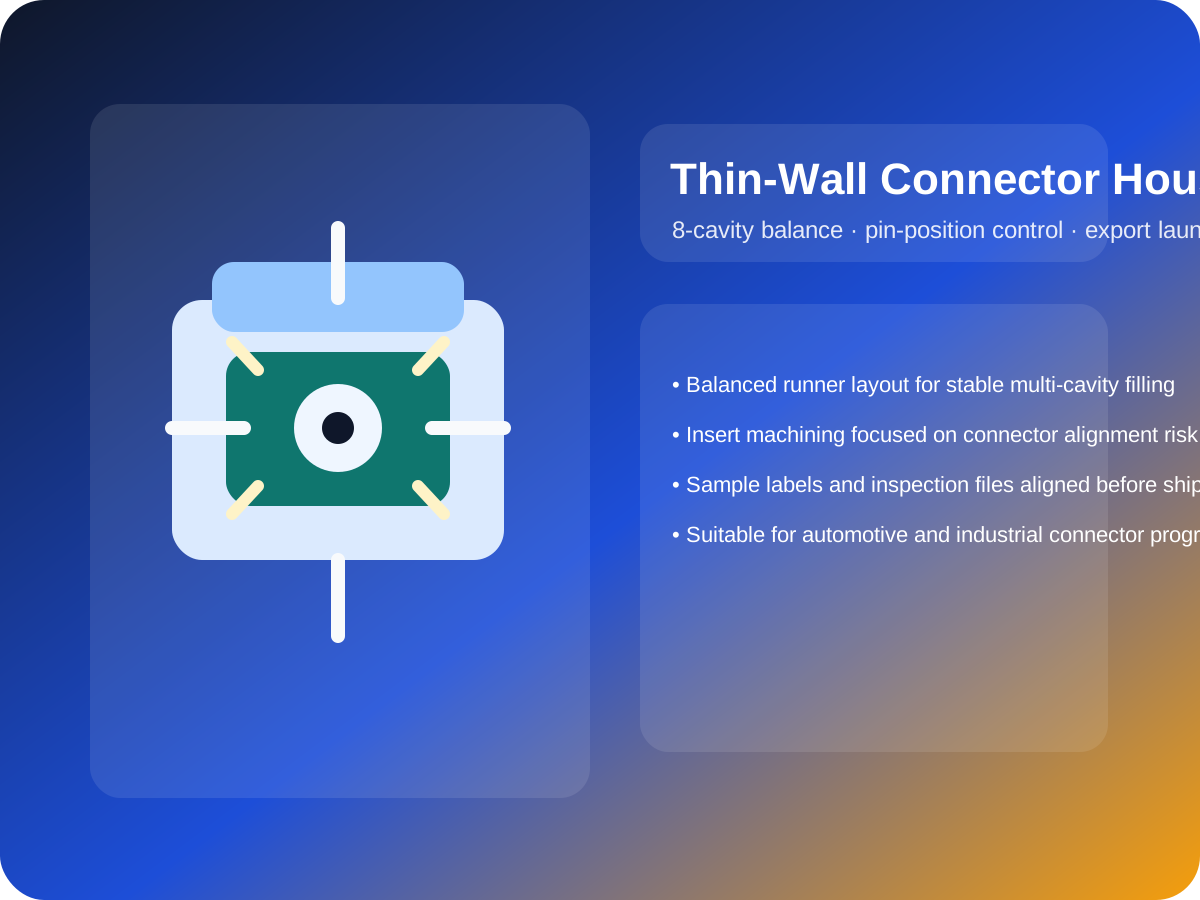
Thin-wall connector housing mold with hardened steel inserts
ProductAutomotive MoldsMold

Thin-Wall Connector Housing Mold

High-cavitation export mold for connector housings with stable pin-position control, balanced filling, and repeatable production output.

Why this is next

This page already points to it as the next recommended reference.
Sealed sensor housing mold preview artwork
ProductAutomotive MoldsMold

Sealed Sensor Housing Mold

A realistic export tooling program for sealed sensor housings with validation-focused planning and launch-ready documentation support.

Why this is next

This page already points to it as the next recommended reference.
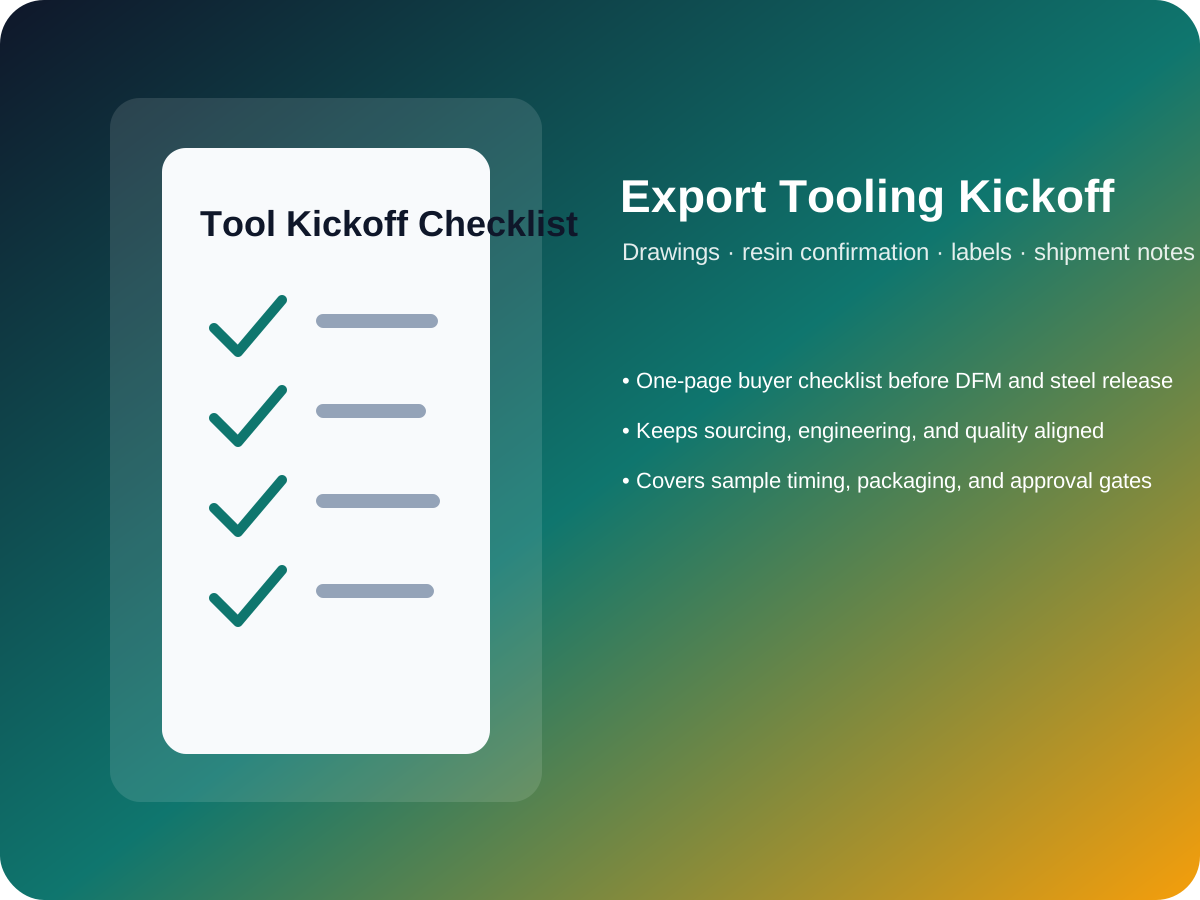
Useful resources

2

Related solutions

1
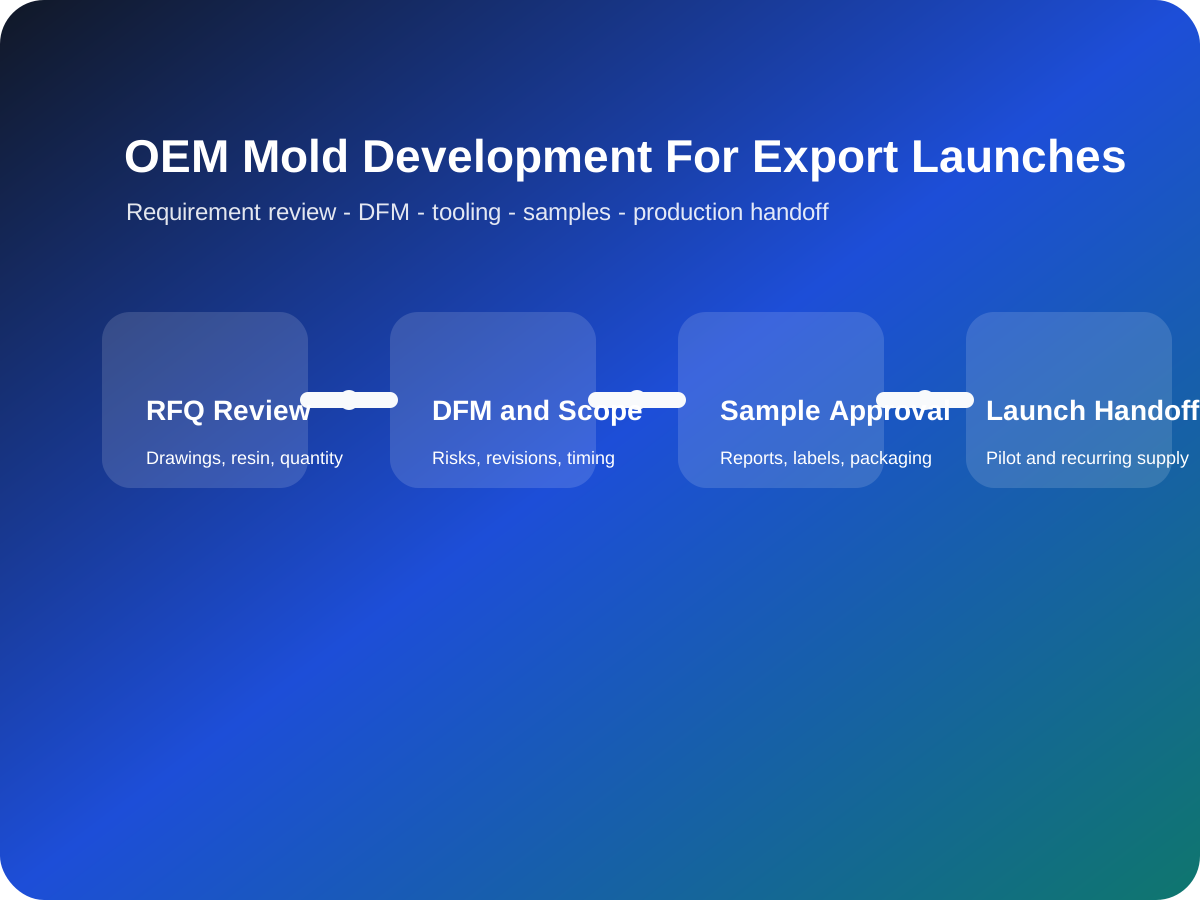
OEM Mold Development for Export Launches
SolutionAutomotive

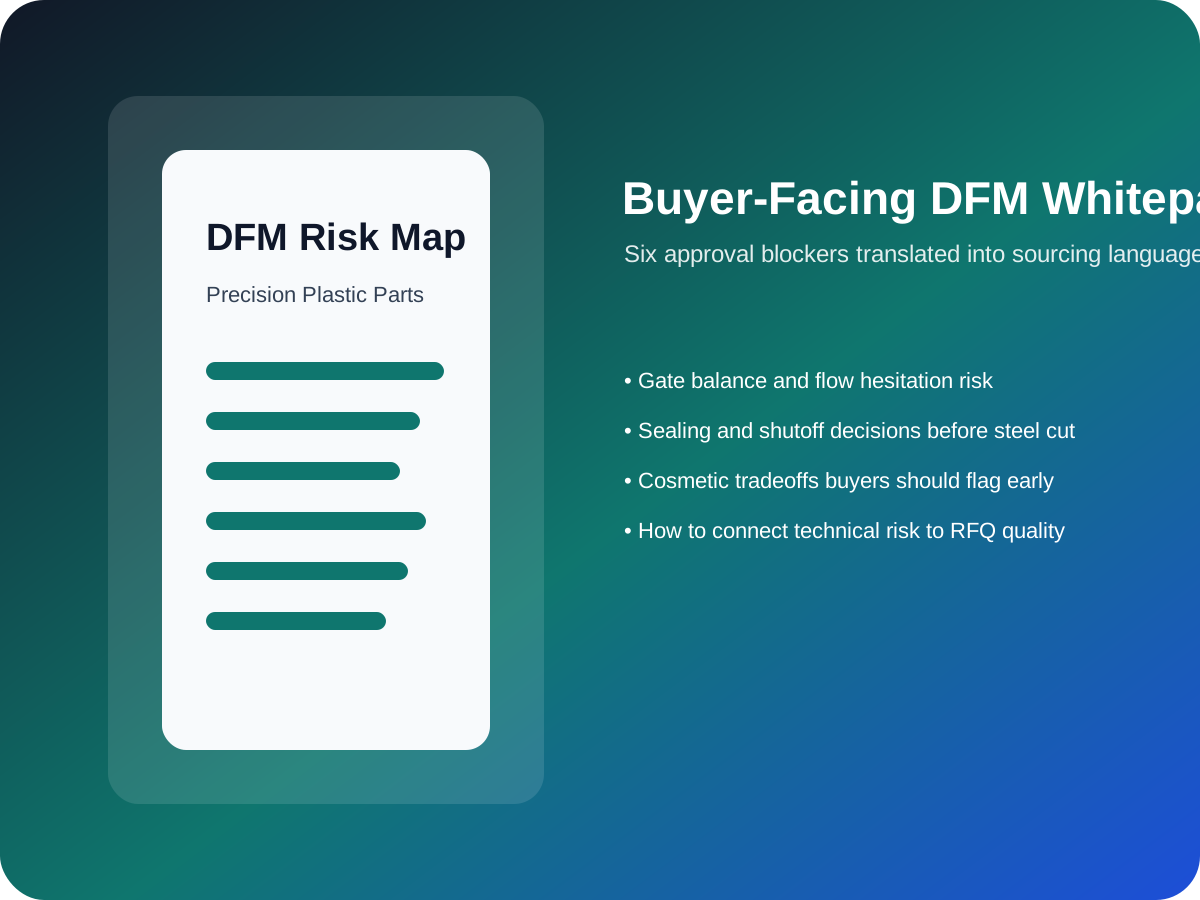
OEM Mold Development for Export Launches

Show how Northstar moves from requirement review to DFM, tooling, sampling, approval, and mass-production handoff without leaving buyers guessing.

Why this is next

This page already points to it as the next recommended reference.
Relevant case studies

1
Next Step

Turn industry fit into a qualified project brief

Once buyers see that your process matches their vertical, they should be able to move immediately into the right product or RFQ route.

  • Keep sector context tied to specific product and validation requirements.
  • Use supporting resources to reduce sourcing-team uncertainty before RFQ.
  • Show a clear route from industry fit to commercial action.