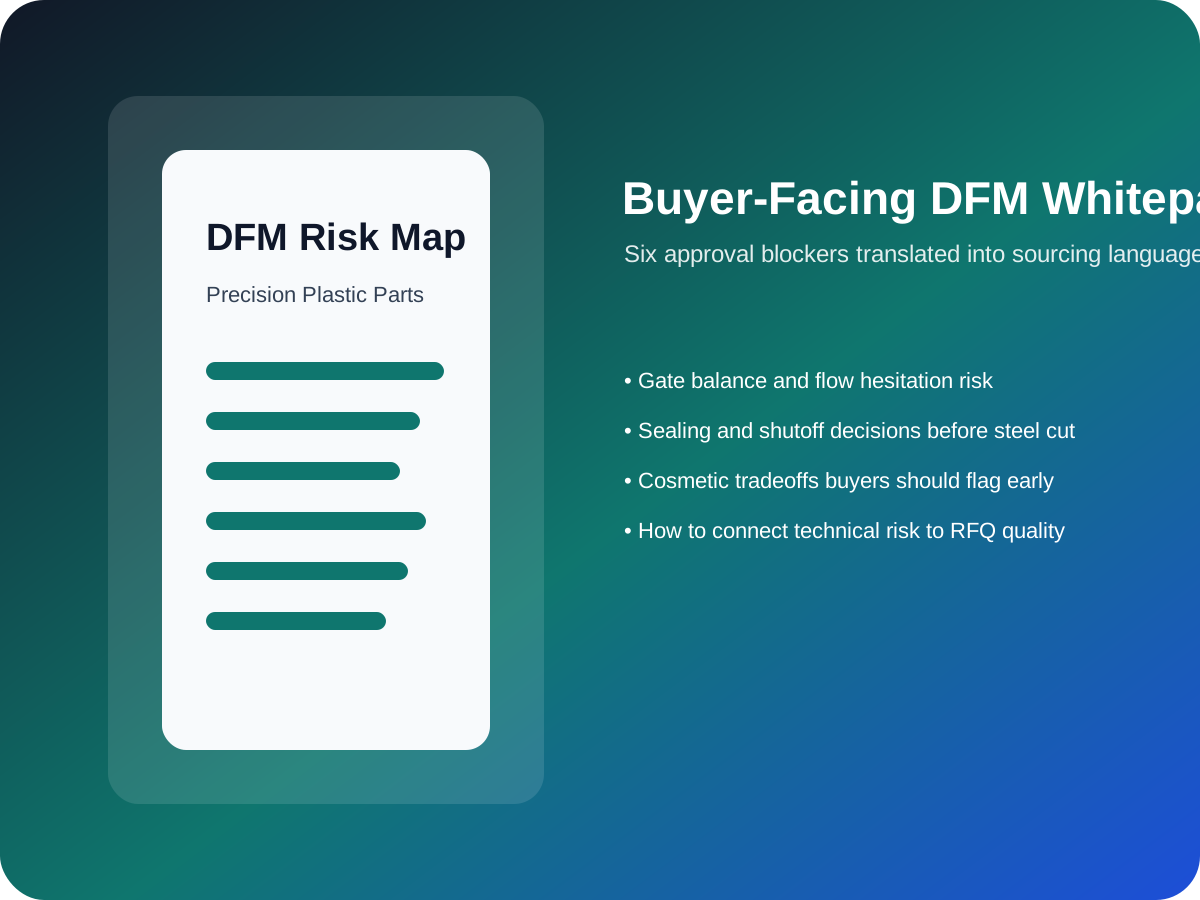
DFM Risk Map for Precision Plastic Parts
A buyer-facing whitepaper on the six mold and part-design risks that most often delay export sample approval.
Qualification facts buyers can extract quickly
A buyer-facing whitepaper on the six mold and part-design risks that most often delay export sample approval.
- Who it is for
- Sourcing and engineering teams trying to shorten DFM approval cycles
- Use cases
- Early supplier qualification, DFM risk review before RFQ, Internal alignment between sourcing and engineering
- Access mode
- Gated Access
- Certifications
- ISO 9001, RoHS
- Served markets
- Europe, North America
- Export context
- Designed for early export qualification when the buyer wants to understand DFM risk before asking for samples or full pricing.
- Next step
- Use the whitepaper to frame the key DFM questions, then move into RFQ with the part geometry, resin, and timing constraints already clarified.
Proof metrics
Focused on the approval blockers that most often delay sample release
What is inside
- Six DFM risks that often delay export sample approval
- Buyer-facing explanations that connect mold risk to commercial impact
- Suggested questions sourcing teams can use before sending a formal RFQ
How to use this file
Use this whitepaper during early qualification when the buyer needs to understand mold-risk language before moving into RFQ or sampling.
This whitepaper now aligns with the Northstar demo storyline: export buyers often know a project feels risky, but they do not always know how to describe that risk in RFQ language. The file turns mold and part-design concerns into a checklist sourcing teams can actually use.
Core Questions It Answers
- Which DFM issues most often slow connector, sensor housing, and similar approval-driven programs?
- How can sourcing teams turn technical concerns into practical RFQ follow-up questions?
- What should be clarified before the project moves into formal DFM and sample planning?
Best Use Case
Read this file during early supplier qualification, before the buyer commits to sampling or steel cut. It reduces ambiguity early, then hands off to the deeper DFM review once geometry and timing are clearer.
What Buyers Usually Prepare Next
- Part geometry or a physical sample reference
- Resin plan, sealing/cosmetic expectations, and validation focus
- Target sample date, export market, and shipment constraints
Keep the buyer moving through the right pages
A good export template should connect products, proof, and buyer-facing resources so the next click always has commercial value.
Related products
3
Sealed Sensor Housing Mold
A realistic export tooling program for sealed sensor housings with validation-focused planning and launch-ready documentation support.
This page already points to it as the next recommended reference.
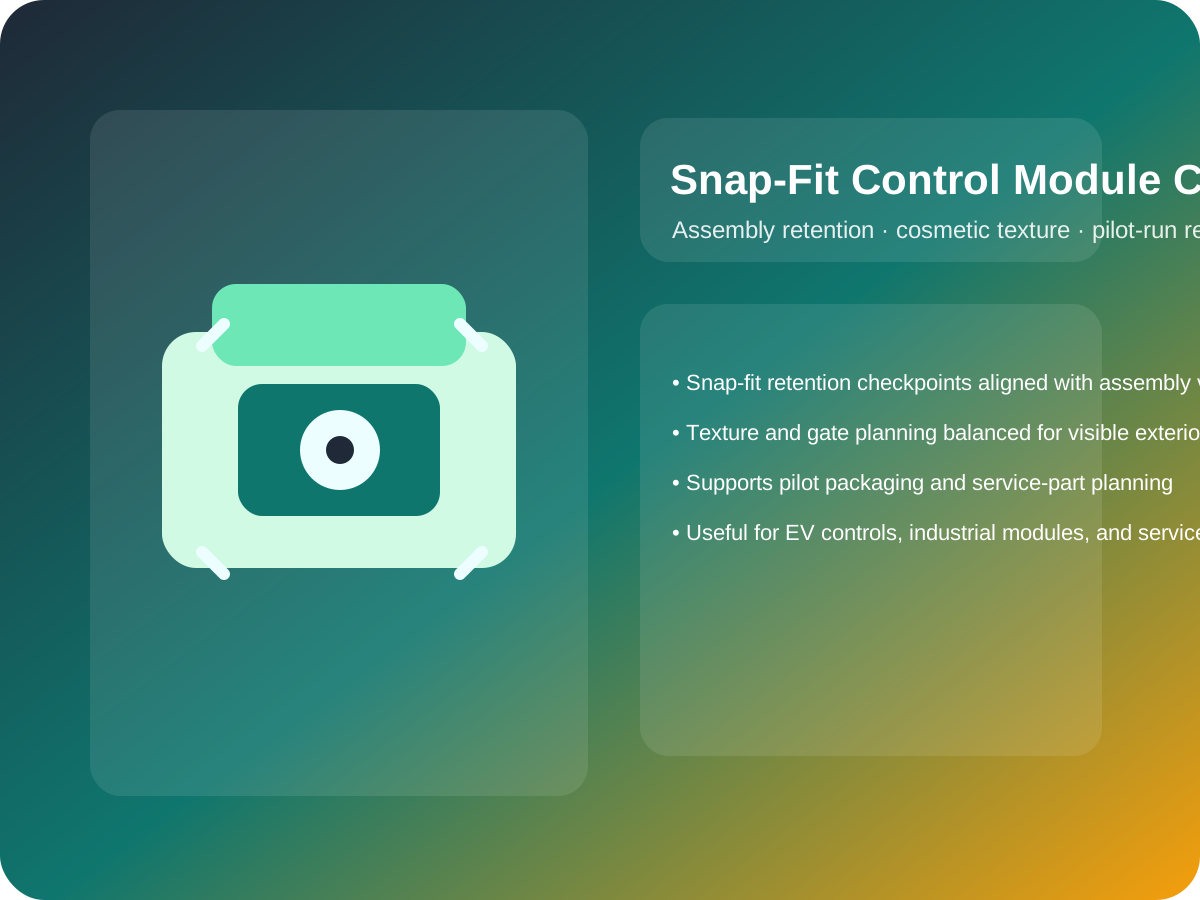
Snap-Fit Control Module Cover Mold
Validation-oriented mold program for snap-fit control module covers with cosmetic-surface planning and assembly-retention checks.
It links back to the same sourcing scenario, so the evidence chain stays consistent.
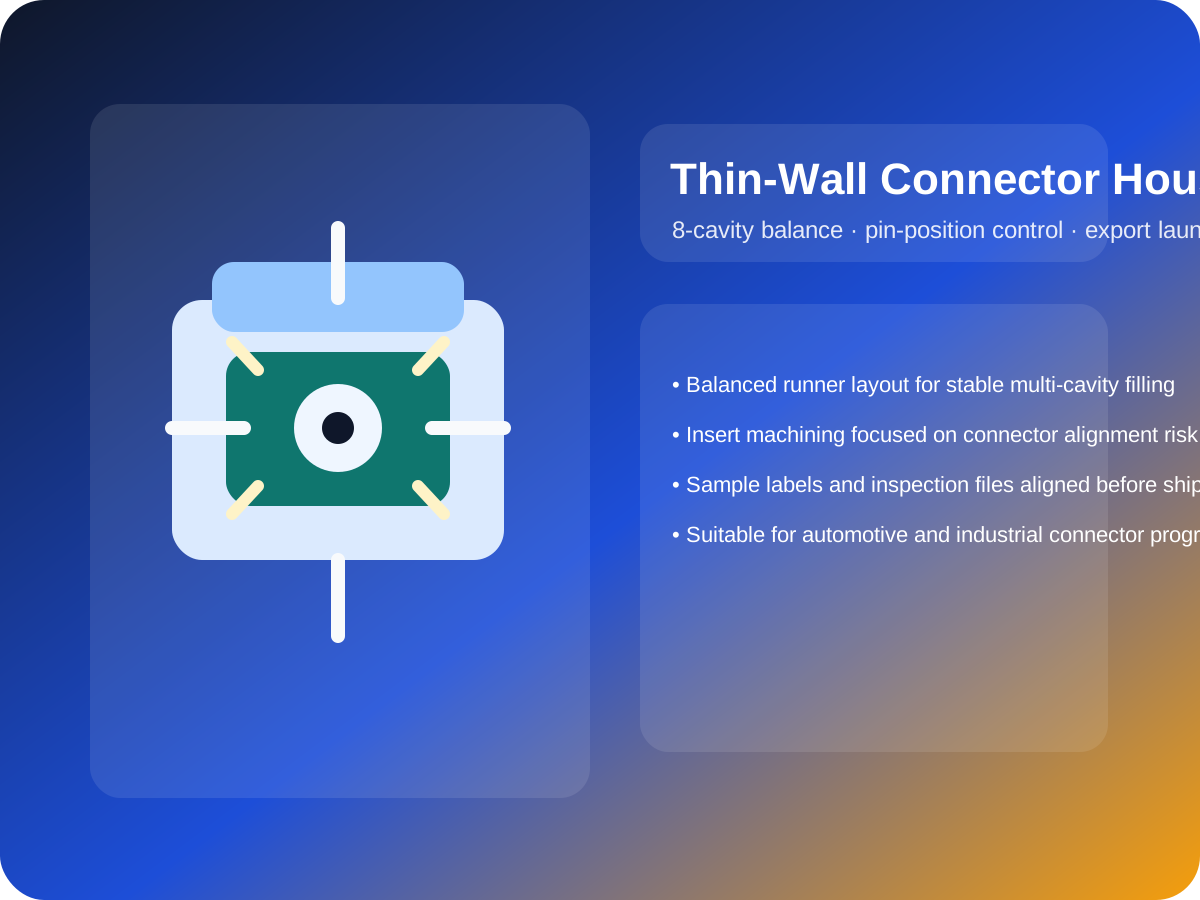
Thin-Wall Connector Housing Mold
High-cavitation export mold for connector housings with stable pin-position control, balanced filling, and repeatable production output.
It links back to the same sourcing scenario, so the evidence chain stays consistent.
Useful resources
1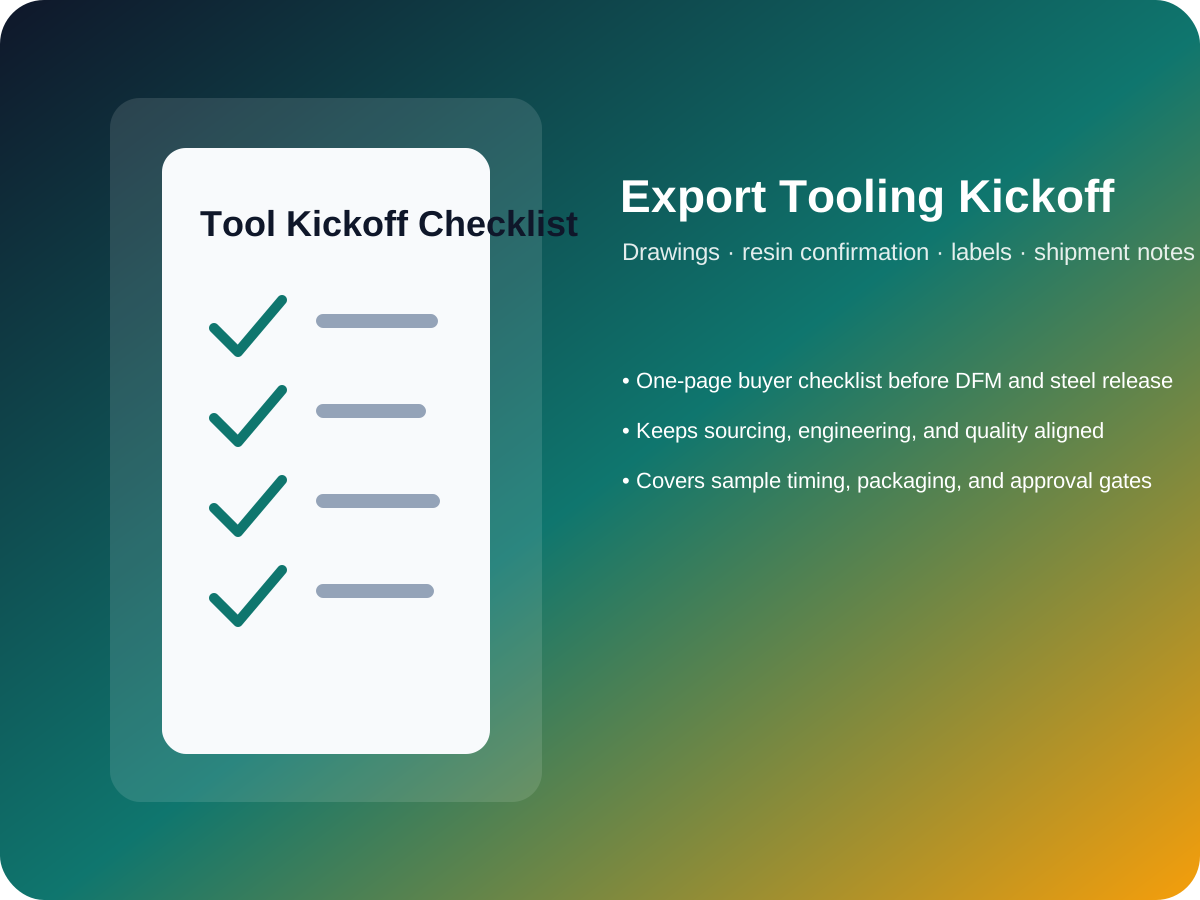
Tool Kickoff Checklist for Export Programs
Buyer-side checklist covering drawings, resin confirmation, sample planning, and shipping notes before tooling release.
This page already points to it as the next recommended reference.
Related solutions
1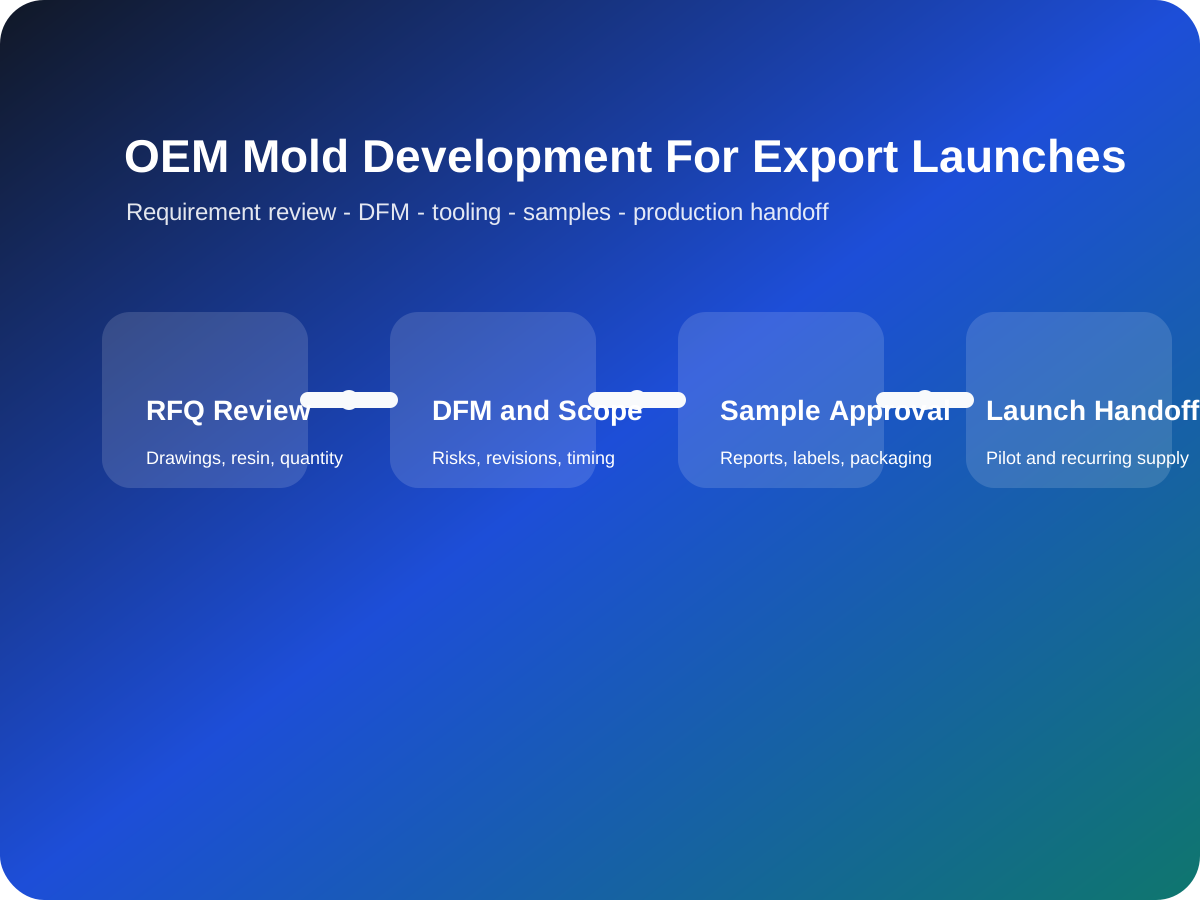
OEM Mold Development for Export Launches
How Northstar moves from requirement review to DFM, tooling, sampling, approval, and mass-production handoff without leaving buyers guessing.
This page already points to it as the next recommended reference.
Relevant case studies
1
EU Sensor Housing Launch with a Four-Week Validation Window
Northstar coordinated DFM clarification, sealing revisions, and export documentation to keep a compressed validation schedule on track.
This page already points to it as the next recommended reference.
Use this resource to advance the buying conversation
Resource pages should reduce ambiguity, expose the next document or product, and route the visitor into a live quote or contact path.
- Open or unlock the file without losing the surrounding sales context.
- Link the document back to the right product, solution, or delivery proof.
- Keep RFQ or contact actions visible while the technical context is fresh.