Skip to content
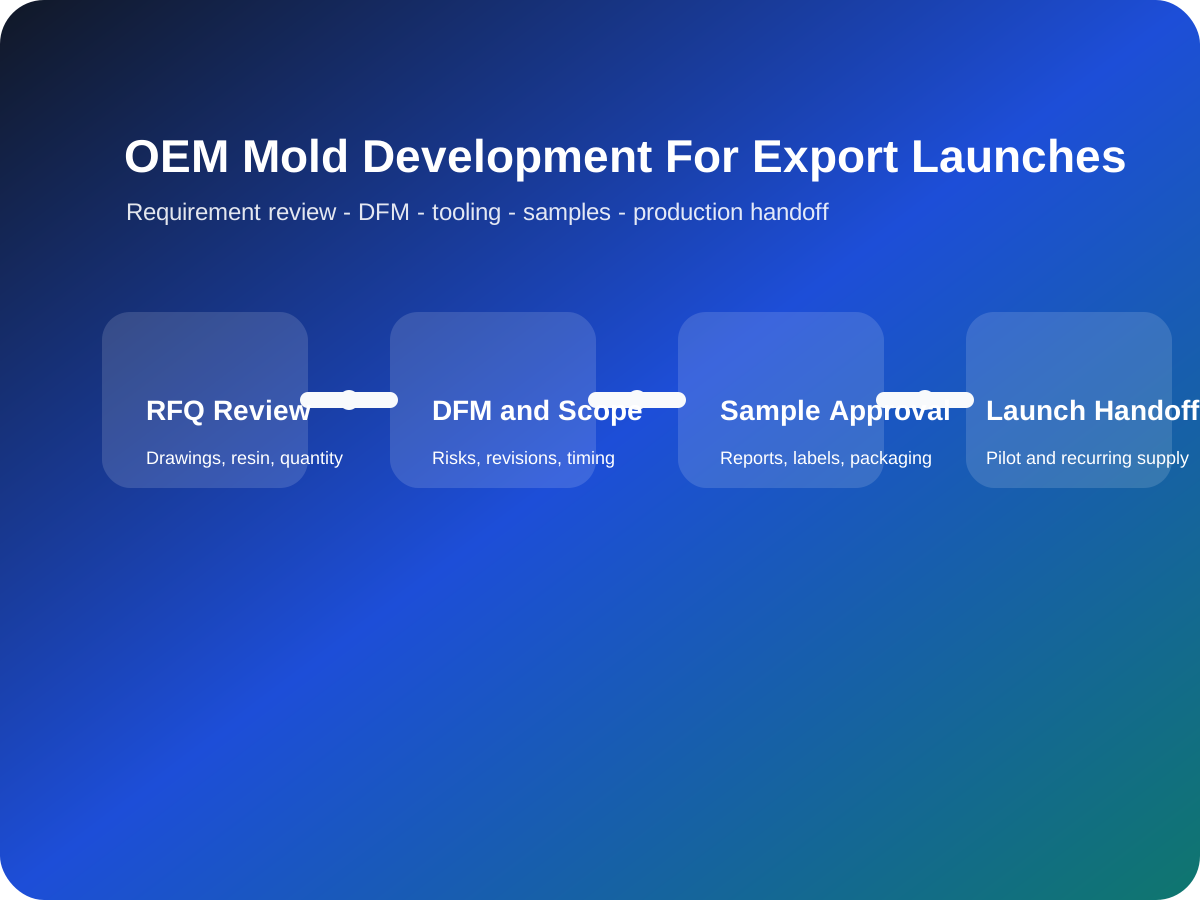
OEM Mold Development for Export Launches
Solution

OEM Mold Development for Export Launches

Show how Northstar moves from requirement review to DFM, tooling, sampling, approval, and mass-production handoff without leaving buyers guessing.

Featured Automotive Medical Consumer Electronics
Last Updated: 3/30/2026
Answer Snapshot

Qualification facts buyers can extract quickly

Show how Northstar moves from requirement review to DFM, tooling, sampling, approval, and mass-production handoff without leaving buyers guessing.

Reviewed
3/30/2026
Reviewed by Northstar Project Engineering Team, Solution workflow review
Who it is for
Buyers who need a structured path from RFQ to tooling release and sample approval
Use cases
OEM mold development, Launch planning for export programs, Cross-functional sourcing and engineering alignment
Certifications
ISO 9001, IATF 16949
Served markets
Europe, North America, ASEAN
Export context
Designed for export programs that need clear review checkpoints, buyer-facing documentation, and a practical handoff into production.
Next step
After reviewing the process, send the drawing package, target resin, and approval window so the team can confirm tooling scope and sample timing.

Proof metrics

Core checkpoints
3

Review, sample approval, and mass-production handoff

This page is now positioned as a practical workflow view for Northstar’s export projects. Buyers should be able to see exactly how requirement review, DFM, sample approval, and launch handoff fit together before they decide to send drawings.

What This Solution Clarifies

  • Which project inputs are needed before tooling scope is confirmed
  • How DFM, revision handling, and sample planning are organized
  • What documentation and packaging details must be aligned before launch

Short Answer For Buyers

  • This solution is for buyers who want one structured path from RFQ to production handoff.
  • The most important inputs are the drawing package, target resin, validation criteria, and approval timing.
  • The next step should be a qualified RFQ with files attached, not a generic message.
Related Content

Keep the buyer moving through the right pages

A good export template should connect products, proof, and buyer-facing resources so the next click always has commercial value.

Related products

3
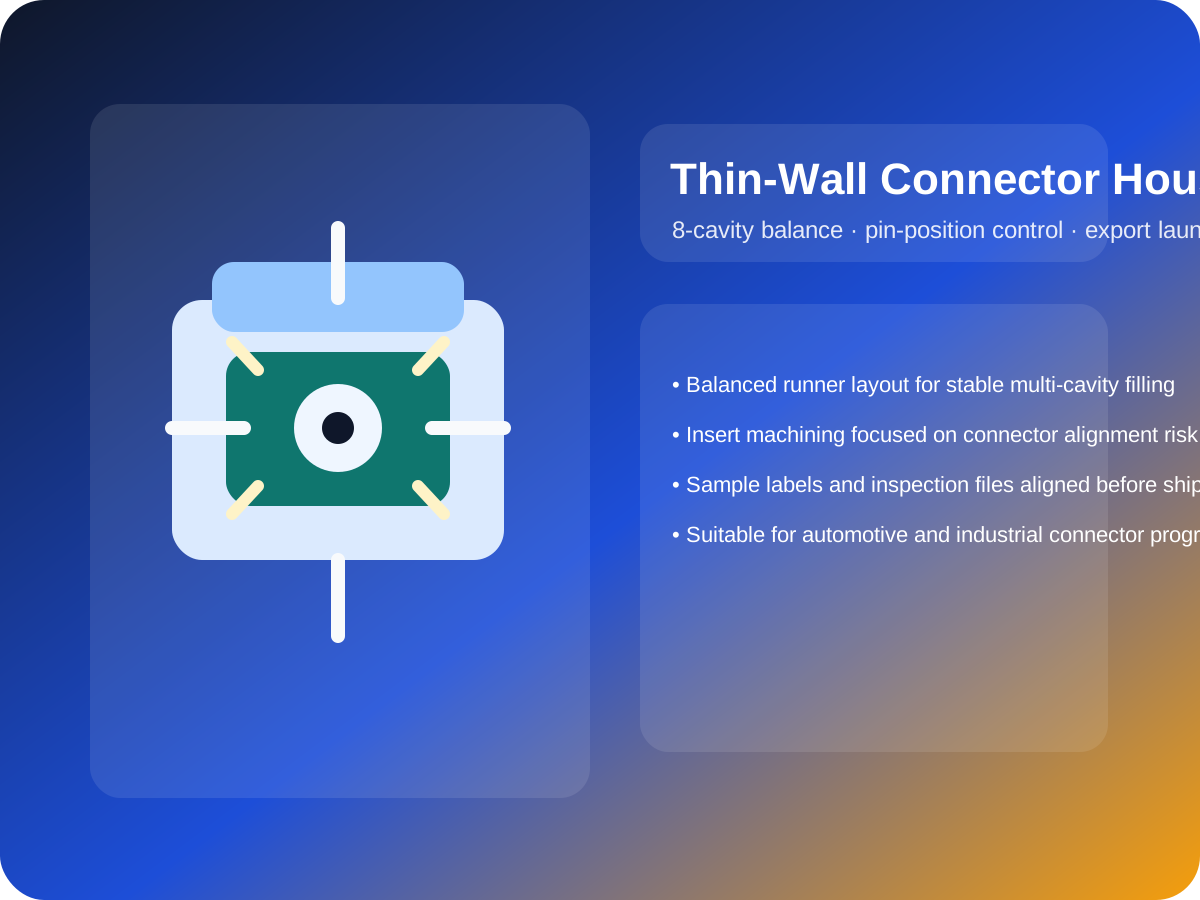
Thin-wall connector housing mold with hardened steel inserts
ProductAutomotive MoldsMold

Thin-Wall Connector Housing Mold

High-cavitation export mold for connector housings with stable pin-position control, balanced filling, and repeatable production output.

Why this is next

This page already points to it as the next recommended reference.
Sealed sensor housing mold preview artwork
ProductAutomotive MoldsMold

Sealed Sensor Housing Mold

A realistic export tooling program for sealed sensor housings with validation-focused planning and launch-ready documentation support.

Why this is next

This page already points to it as the next recommended reference.
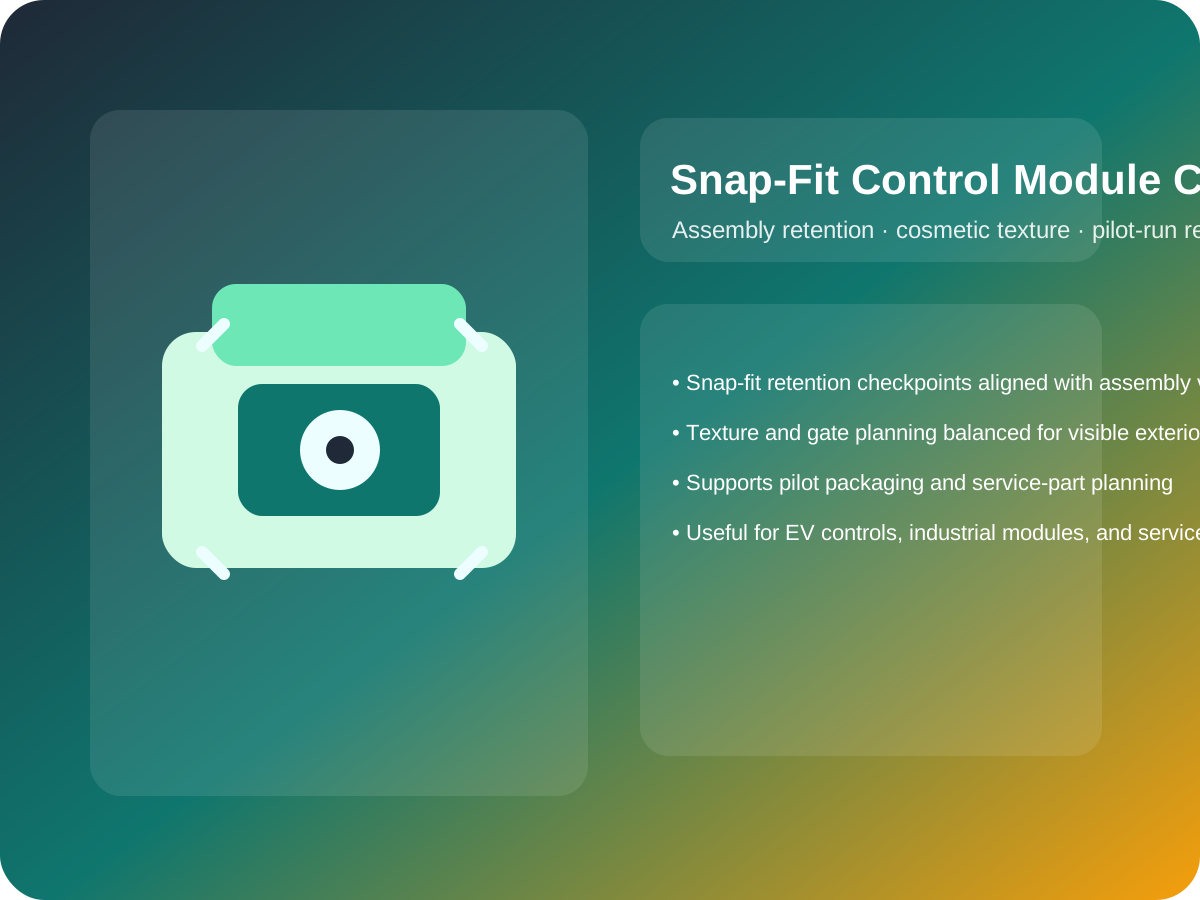
Snap-fit control module cover mold illustration
ProductIndustrial MoldsMold

Snap-Fit Control Module Cover Mold

Validation-oriented mold program for snap-fit control module covers with cosmetic-surface planning and assembly-retention checks.

Why this is next

It links back to the same sourcing scenario, so the evidence chain stays consistent.

Useful resources

2

Relevant case studies

1
Next Step

Translate solution fit into a live RFQ path

Solution pages work best when the visitor can continue into the product set, supporting documents, and the correct contact route without starting over.

  • Pair the workflow story with concrete products and delivery proof.
  • Keep supporting resources close to the process explanation.
  • Route the reader into RFQ while the implementation logic is still clear.